
The Neutron Star
Ein interaktives Exponat
© Alisa Geiß
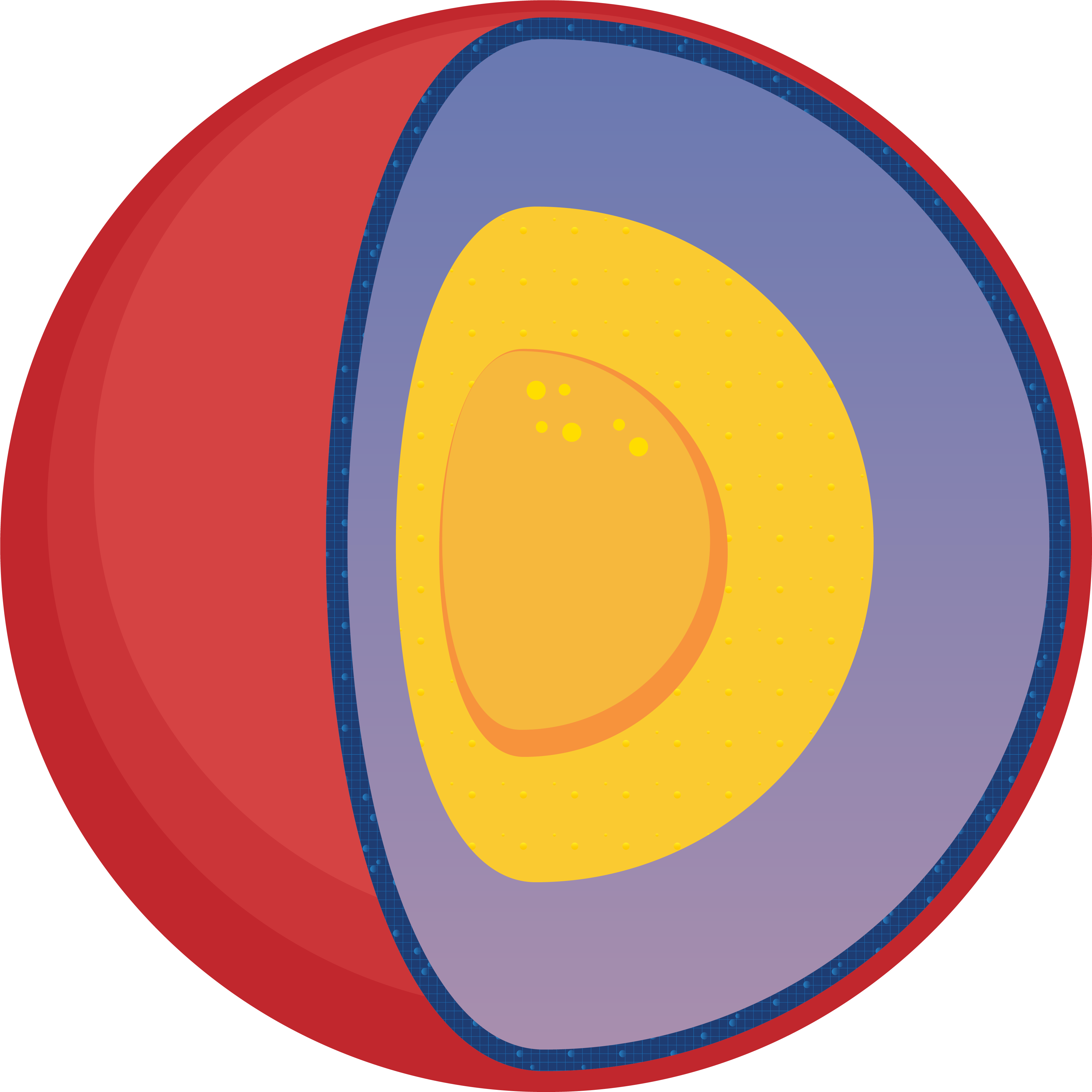
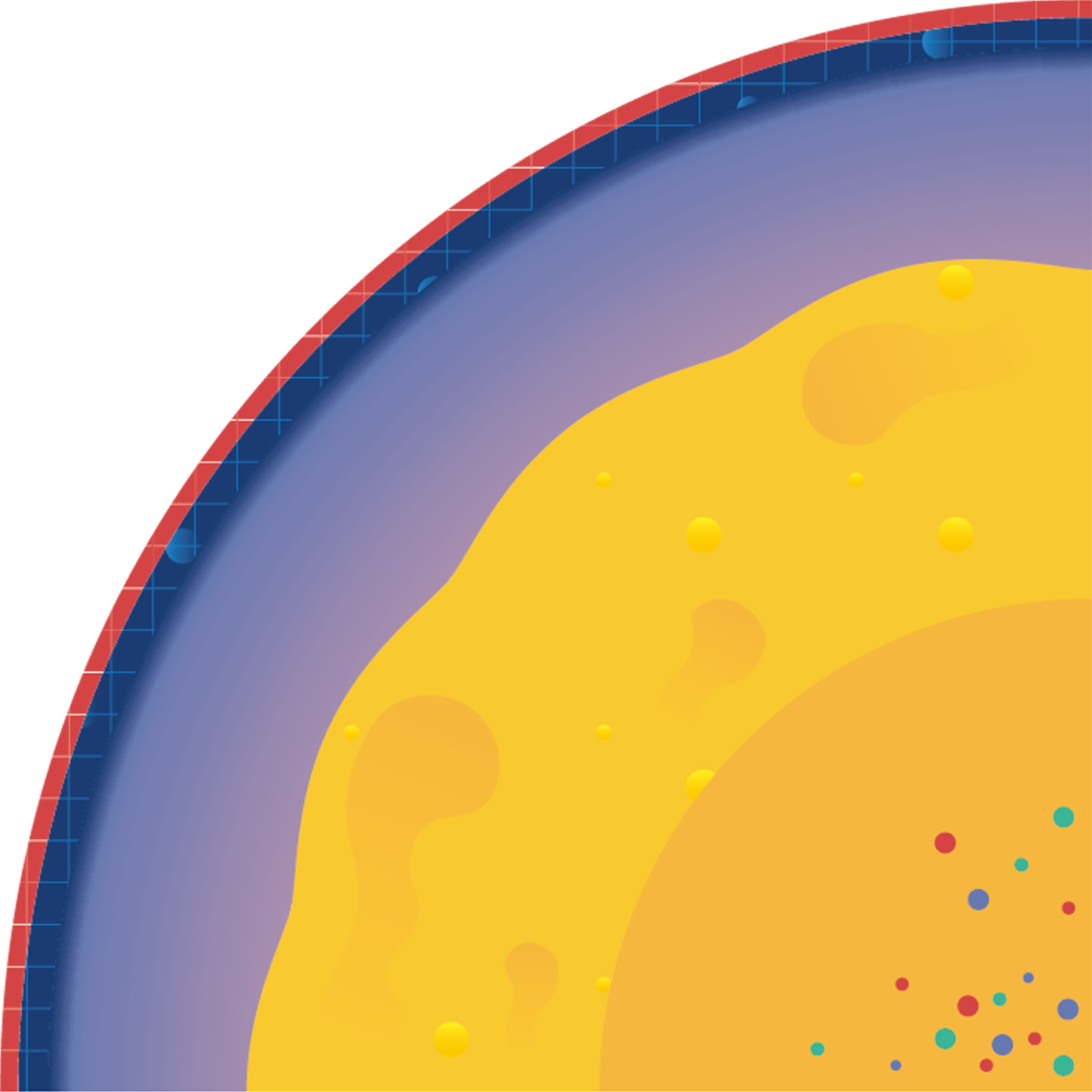
Neutron stars are fascinating remnants of supernova explosions with extraordinary properties, often referred to as the smaller siblings of Black Holes. For this exhibit, we have scaled a neutron star down from its natural diameter of about 20 km to a precise 50 cm model. The layers of the model can be disassembled to gradually reveal its interior, offering insights into its characteristics, such as density, gravity, and matter composition.
The layers are made of a special foam material that is both flexible and durable. Detailed illustrations accompany the model, providing a clear depiction of the neutron star’s internal structure. The strong magnetic field of the neutron star is represented using illuminated plexiglass, creating an impactful visual effect.
Designed for easy storage and transport, the exhibit is ideal for public events and various venues. It offers an engaging and educational experience for diverse audiences. The model can be presented by a guide or explored independently through a touchscreen interface, which provides access to a website available in German, English, and Plain Language, offering additional information.
Impressions


On the inside
© Alisa Geiß
Neutron stars can form when a huge star explodes in a supernova at the end of its life. The core of the star collapses under its own gravity and becomes a neutron star.
Neutronensterne sind sehr klein, aber extrem massereich. Sie haben ungefähr die Größe einer Stadt wie Frankfurt am Main, sind aber viel schwerer als unser Sonnensystem. Ein Zuckerwürfel Neutronenstern wiegt so viel wie der ganze Mount Everest
Neutron stars have a very strong magnetic field and rotate very quickly. Some of them rotate around their own axis several hundred times a second. This causes them to emit radio waves that are visible on Earth as pulsars.
When two neutron stars come too close to each other, they orbit each other due to their strong gravitational pull. We can measure this in the form of gravitational waves. At some point, they merge and send a so-called gamma-ray burst into space. This also creates a brightly glowing kilonova, which tells us how heavy elements - such as gold - are produced in our universe!
In the media
© SAT 1
- Artikel im "UniReport" der Goethe-Universität Frankfurt: A neutron star on its travels
- Zeitungsartikel in den "Kieler Nachrichten": "Das ist viel besser als in der Schule"
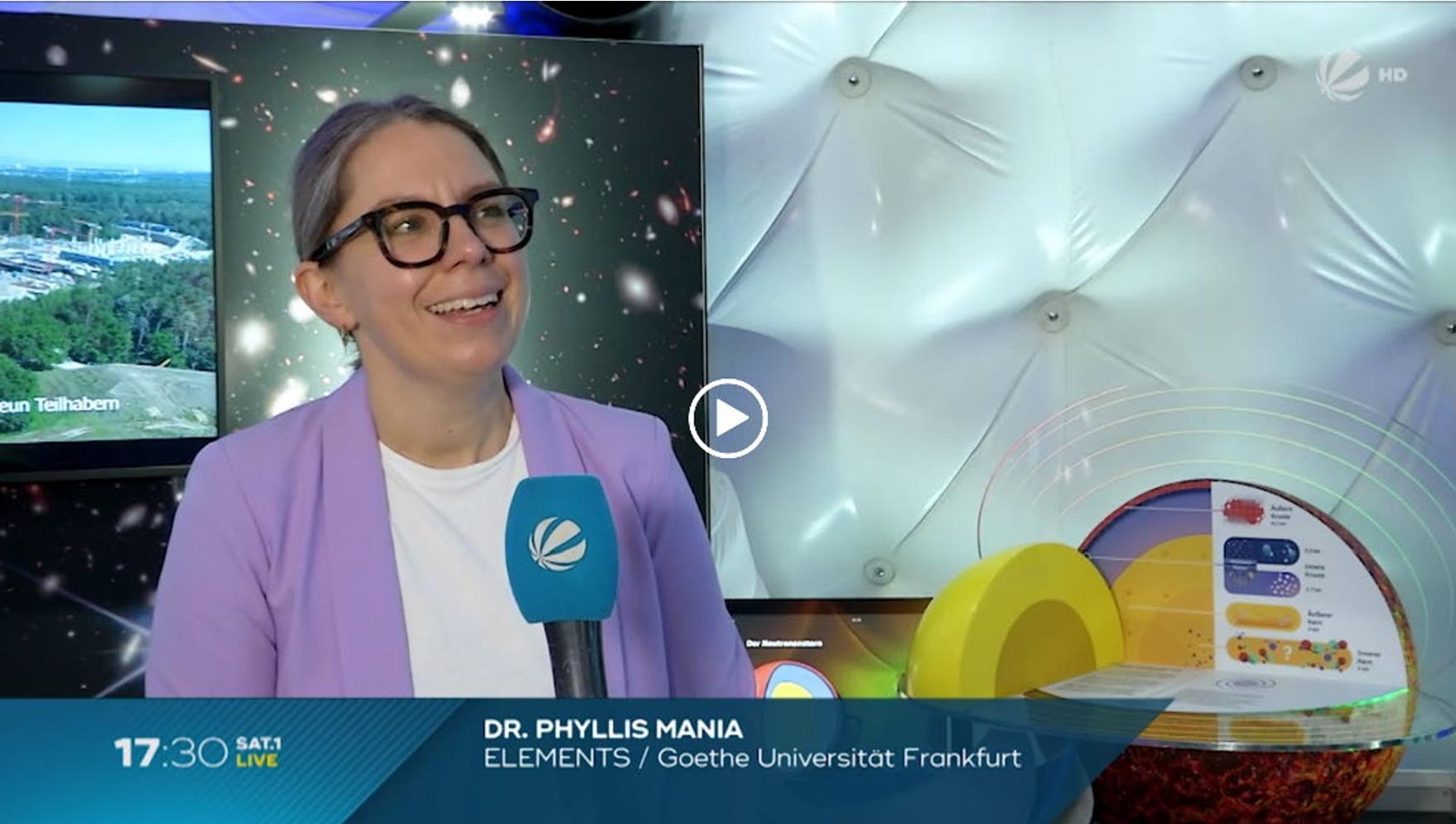
- Features in regional TV shows and Social Media: e.g., "Universe on Tour" in Sat.1
© 2026 Phyllis Mania
Datenschutz